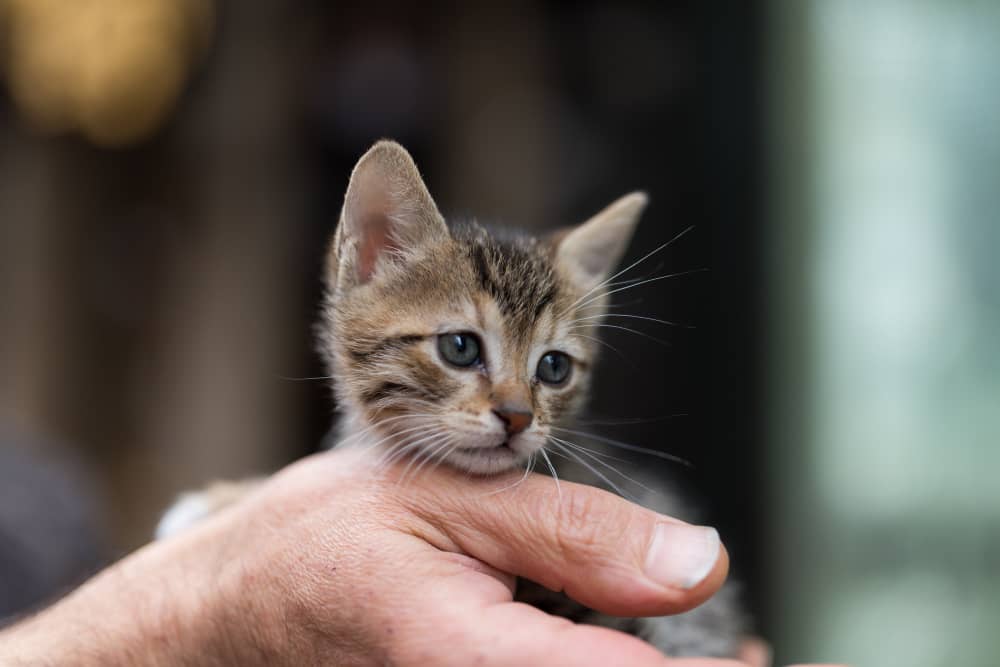
Cats experience significant milestones in their growth from kittens to seniors, presenting owners with new challenges and joys at each stage. Understanding when cats stop growing can help owners provide the best care through all four main life stages: kitten, young adult, mature adult, and senior. Regular veterinarian visits are crucial for maintaining their health, especially for senior cats, who should see the vet at least every six months. This foundation ensures your cat’s well-being through discussions on sterilization, claw care, identification, and more at each life phase.
Optimizing cat growth involves recognizing the various physical milestones they achieve and addressing their evolving needs. Whether considering growth, nutritional requirements, or transitioning to adult cat food, the impact of breed on growth and outlined care strategies are essential for their development. As cats progress through their unique growth phases, understanding their changing needs becomes a pivotal focus for every pet owner aiming to ensure health and happiness.
Understanding Cat Growth Stages
Understanding the growth stages of cats is crucial for providing them with the appropriate care at each phase of their development. Here’s a breakdown of the key stages:
- Newborn Stage (0-2 weeks): Kittens are completely dependent on their mother for warmth, protection, and nutrition, primarily feeding on their mother’s milk. Their physical abilities are limited, with eyes and ears closed initially, but they start to open within this period.
- Socialization and Development (2 weeks – 6 months):
- 2-7 weeks: This is a critical period for socialization. Kittens begin to interact with their surroundings, developing senses and grooming habits. They also start to exhibit adult sleeping patterns and social interactions by the end of this stage.
- 7-14 weeks: Known as the most active play period, kittens learn mostly by observing their mother. Social and object play increases significantly.
- 3-6 months (Ranking Period): Kittens are influenced by their littermates and begin to understand and use ranking within the household. This period also marks the beginning of adolescence, characterized by exploration of dominance and, if not spayed or neutered, the start of sexual behavior.
- Adulthood (6 months onwards):
- Young Adult (1-6 years): Cats reach sexual maturity, and inter-cat aggression may develop. This stage is crucial for establishing appropriate play and social behaviors.
- Mature Adult (7-10 years): A decrease in play activity and an increased likelihood of weight gain are observed. Regular checkups become essential for disease prevention.
- Senior (Over 10 years): Behavioral changes such as increased vocalization, changes in litter box usage, and mobility issues may arise. Senior cats require bi-annual veterinarian visits for early disease detection.
Understanding these stages helps in providing the right nutrition, care, and medical attention, ensuring a healthy and happy life for our feline friends.
Physical Milestones in a Cat’s Growth: When Cats Stop Growing
Physical milestones in a cat’s growth are influenced by a myriad of factors, from genetics to environmental conditions. Here’s a closer look at some key aspects:
- Sex and Size Differences:
- Male cats are generally larger than females, with a difference of up to 2 lbs. more in weight.
- Spaying/Neutering and Growth:
- Spaying or neutering doesn’t typically affect a cat’s overall growth. However, sterilizing too young may lead to orthopedic conditions such as capital physeal fracture.
- Birth Order and Litter Size:
- The birth order and the number of siblings can impact growth, with later-born kittens in larger litters potentially being smaller.
- Genetic Factors:
- Conditions like dwarfism or bone deformities can cause a cat to be smaller than average.
Monitoring a cat’s growth through monthly measurements of height, length, and weight is crucial. A cat’s weight at 16 weeks, for instance, can help estimate its adult weight by doubling this figure. Newborn kittens weigh between ounces and undergo significant developmental milestones in the first few weeks, including opening their eyes and starting to walk. By the fifth week, a kitten’s sight is fully mature, marking a rapid phase of growth and development that continues into adolescence.
The Impact of Breed on Growth
The growth and final size of a cat can significantly vary depending on its breed. Here’s an overview of how breed impacts growth:
- Domestic Breeds:
- Tabby, Siamese, and Domestic Shorthair cats generally reach their full size around 12-19 months, measuring 13-16 inches in length and weighing 10-22 lbs.
- Bengal cats, known for their vibrant coat patterns, usually stop growing by two years old, with sizes ranging from 13-16 inches long and 11-13 inches tall, weighing between 10-22 lbs.
- Larger Breeds:
- Maine Coon cats, among the largest domesticated breeds, typically cease growing at four years old. They can reach lengths of up to 48 inches, stand 8-16 inches tall, and weigh around 25 lbs.
- Ragdolls, known for their docile nature and striking blue eyes, stop growing at about four years old, with sizes ranging from 15-26 inches long and 9-11 inches tall, weighing between 8-20 lbs.
- Savannah cats, hybrids of domestic cats and servals, usually reach their full size by two years old, with an adult size of 20-25 inches long, 10-19 inches tall, and weighing 12-20 lbs.
This variance in growth patterns highlights the importance of understanding the specific needs and growth timelines of different cat breeds to provide optimal care and nutrition.
Nutritional Needs: When Cats Stop Growing
Proper nutrition is the cornerstone of a cat’s healthy growth and development. Here’s a breakdown of the essential nutrients and dietary considerations across different growth phases:
Essential Nutrients:
- Protein: Vital for growth, with kitten food containing a minimum of 30% protein compared to adult cat food at 26%. Animal-based proteins provide essential amino acids like taurine, crucial for cats.
- Fat: Serves as a primary energy source and is essential for neurological and retinal development. Kitten food is richer in fats compared to adult formulations.
- Vitamins and Minerals: Necessary for various bodily functions, including vision, bone growth, and immune support. A balanced intake of vitamins A, D, E, K, and B-complex, along with minerals like calcium and phosphorus, is critical.
Growth Phase Dietary Considerations:
- Kittens (0-12 months): Require high-calorie, nutrient-rich food designed for rapid growth and development. Fresh water should always be available.
- Adulthood Transition: Around the 12-month mark, gradually transition to adult cat food tailored to the cat’s health, activity level, and individual nutritional needs.
- Monitoring and Adjustments: Regular weight checks and dietary adjustments are crucial to prevent obesity, especially post-neutering, as energy requirements change.
Key Takeaways:
- Kitten food differs significantly from adult cat food in nutritional composition to support growth.
- The AAFCO standards provide guidelines on the minimum protein content for kitten versus adult cat food.
- A balanced diet with the right mix of protein, fat, vitamins, and minerals is essential throughout a cat’s growth phases.
- Transitioning from Kitten to Adult Cat Food
- Transitioning your kitten to adult cat food is a pivotal moment in their growth and requires careful planning. Here’s a step-by-step guide to ensure a smooth transition:
- Identify the Right Time:
- Begin the transition around your kitten’s first birthday. For larger breeds, wait until they are between 18 months to 2 years old.
- Choose the Right Food:
- Ensure the adult cat food is of high quality, similar to the premium kitten food they are used to. Look for food labels that say “for all life stages,” as these are safe for both kittens and adult cats.
- Transition Gradually:
- Day 1-3: Mix 75% kitten food with 25% adult cat food.
- Day 4-6: Adjust the mix to 50% kitten food and 50% adult cat food.
- Day 7-10: Change to 25% kitten food and 75% adult cat food.
- After Day 10: Completely switch to adult cat food.
Monitoring and Adjusting: When Cats Stop Growing
- Keep an eye on your cat’s reaction to the new diet. If they resist or show signs of digestive upset, slow down the transition. You can temporarily revert to the old kitten food and consult a veterinarian for advice.
- Continuing to feed kitten food to an adult cat can lead to obesity and related health issues. Hence, it’s crucial to make this transition.
- By following these steps, you can help your cat adjust to their new diet without stress or health complications, paving the way for their continued growth and well-being.
- Ensuring Proper Care During Growth
- Ensuring proper care during a cat’s growth stages encompasses a holistic approach, focusing on nutrition, veterinary care, environmental enrichment, and affection. As cats transition into their senior years, their dietary needs may shift towards preventing age-related diseases and maintaining vitality, necessitating adjustments in protein and fat levels based on their weight and activity level. Additionally, incorporating supplements for joint support and antioxidants can enhance overall health and well-being.
- Key Care Practices:
- Nutrition: Offer balanced meals with adjusted protein and fat levels. Consider supplements for joint and overall health.
- Hydration: Ensure access to fresh water daily.
- Dental Care: Brush teeth daily or a minimum of three times per week, and consider professional cleaning.
- Grooming: Regular brushing and, if necessary, bathing with cat shampoo. Clip nails every few weeks.
- Litter Boxes: Maintain a sufficient number, ideally one per cat plus one extra.
- Veterinary Care: Annual check-ups, vaccinations, spaying/neutering, and immediate attention to signs of illness.
- Environment: Provide a stimulating, safe environment with a clean bed, interactive toys, and a scratching post.
- By adhering to these care practices, cat owners can support their feline companions through each stage of growth, ensuring a healthy, happy life.
Conclusion: When Cats Stop Growing
Throughout this exploration of feline growth and development, we’ve uncovered the critical milestones and care necessities that accompany each of the four main life stages of a cat. From the dependent newborn phase to the independence of young adulthood, progressing through maturity and into the senior years, each phase underscores the evolving care requirements and nutritional needs. The role of breed in determining growth pace and final size, along with the crucial transition from kitten to adult cat food, highlights the intricate nature of feline growth and the importance of tailored nutritional planning.
As cat owners, understanding the significance of these stages and the impact of breed on growth allows for optimized care strategies that support our feline friends’ health and happiness throughout their lives. Keeping abreast of their nutritional needs, coupled with regular veterinary check-ups, ensures we’re providing the best care at every step of their growth. The journey of raising a cat is filled with moments of learning and joy, reinforcing the bond between pets and their owners while ensuring a fulfilling life for our cherished companions.
FAQs
1. At what age do cats typically reach their full size? Cats generally stop growing when they are between 12 to 18 months old. However, depending on the breed, some cats may take an additional 2 to 3 years to reach their full size.
2. Is it possible to predict the adult size of a kitten? Predicting the exact adult size of a kitten is challenging. Nonetheless, examining the size of the kitten’s parents can provide a reasonable estimate of its future size. Keep in mind that factors such as the kitten’s diet and exercise opportunities will also significantly influence its growth.
3. Why do cats generally stop growing after 10 months? While cats are considered adults at 12 months, they may not reach their full size until they are 18 months to 4 years old. The growth rate varies among breeds, and other factors like nutrition and the timing of spaying or neutering also impact their development.
4. Will a cat continue to grow after 7 months of age? Cats typically stop growing between 6 to 12 months of age. While they may increase in size beyond this point, it is often due to added body fat rather than growth. The amount of fat a cat accumulates is influenced by its lifestyle.
Follow us on: Facebook, Twitter, Pinterest, Instagram