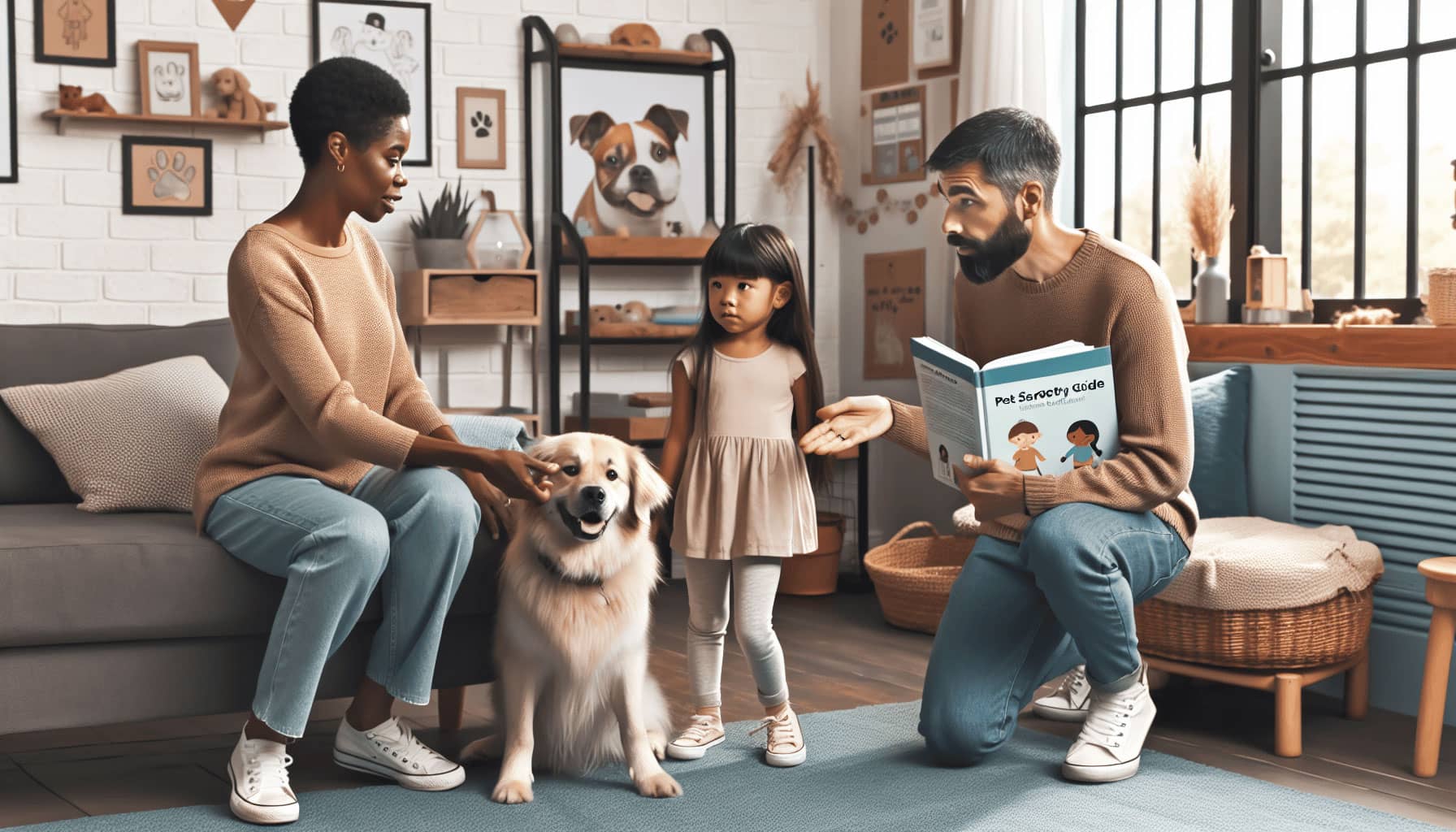
Pet safety tips for kids are essential knowledge for any family integrating animals into their home environment. Key rules include never leaving a young child alone with an animal, reinforcing the importance of approaching animals calmly, and ensuring interactions are always supervised. Families must stress the importance of gentle handling, avoiding loud noises or sudden movements, and the critical rule of asking an adult before approaching any animal.
These precautions, along with clear guidelines on how to approach pets appropriately—such as offering a hand for the animal to sniff with the palm facing up—aid in safeguarding both children and pets. Additionally, recognizing the importance of not disturbing animals when they are eating, sleeping, or caring for their young is crucial for promoting a safe and harmonious living situation for everyone involved. This guide aims to comprehensively cover pet safety tips for kids, ensuring a secure family environment where both children and animals can thrive together.
Tip 1: Understanding Pet Body Language
Understanding your pet’s body language is a crucial aspect of ensuring safety and harmony between pets and children. Here are some pet safety tips to guide parents and children in this learning journey:
Recognize Comfort and Stress Signs in Pets:
- Comfort signs include perked forward ears, bright eyes, and acceptance of food or petting.
- Stress or nervousness signs are indicated by the pet backing away, licking their lips, pulling their ears back, or tucking their tail.
Teach Respect for Pet Boundaries:
- Emphasize the importance of not pinching, punching, kicking, or slapping pets, and correct such behaviors immediately.
- Explain that dogs have boundaries that must be respected, and repeated poking or prodding does not make them more tolerant.
- Demonstrate when pets should not be disturbed, especially during their feeding, sleeping, or when they care for their young.
Interactive Learning and Practice:
- Use engaging methods such as pictures, posters, and videos to teach children about dog body language.
- Practice scenarios where children ask for permission before petting a dog or cat and learn to recognize signs of pet anxiety.
- Encourage children to observe pets and vocalize their observations, linking pet behaviors to their own feelings and experiences.
By fostering an understanding of pet body language and respecting their boundaries, families can create a safer and more enjoyable environment for both children and pets.
Tip 2: Establishing Safe Spaces
Establishing a dedicated safe space for pets, particularly dogs and cats, is a pivotal step in ensuring pet safety around kids. This can be achieved through the following measures:
Designating a Safe Zone:
- Provide a separate area where your pet can unwind undisturbed. This could be a spacious crate, a room sectioned off with a baby gate, or an enclosed playpen.
Essentials for Comfort:
- Ensure the safe space is equipped with necessities such as water, soft bedding, a selection of chew toys, and food projects to keep them engaged. The area should be tranquil to help your pet relax.
Respect for Privacy:
- It’s crucial to teach children that this area is off-limits and that the pet should not be teased or disturbed when they’re in their sanctuary. This helps in cultivating respect for the pet’s boundaries.
Additionally, offering escape routes in shared spaces enables pets to freely exit situations they find uncomfortable, further enhancing their sense of security around children. Establishing clear boundaries, such as respecting pets’ meal times and personal space, helps foster a respectful relationship between pets and kids. For families with cats, designing elevated safe spaces that accommodate their climbing instincts can facilitate smoother integration into a household with children.
Tip 3: Supervised Interactions
Supervised interactions between kids and pets are essential for fostering a safe and positive environment for both. Here are key strategies to ensure these interactions are beneficial:
Seeking Permission:
- Always ask the pet’s handler before approaching, and respect their decision if they say no.
- Teach children to extend a hand, palm up, to the pet and wait for the animal to come closer. This respectful approach allows the pet to feel safe and in control.
Appropriate Petting Techniques:
- Children should learn not to pet the top of a dog’s head but to gently stroke from the shoulder towards the tail.
- Demonstrating calm and low energy around pets is crucial as dogs respond to the energy levels around them. This helps prevent overexcitement or stress in the pet.
Respect and Safety:
- Instruct children on the importance of not disturbing pets while they are sleeping, eating, or resting in their crate. It’s also essential to teach them not to tease pets or invade their personal space.
- Supervision by parents is vital during interactions, especially with young children, to guide them in gentle and calm behavior around pets. This includes monitoring all interactions and intervening with a physical barrier if safety concerns arise.
The Role of Parents in: Pet Safety Tips
In fostering pet safety, the role of parents is indispensable, guiding children on how to interact responsibly with animals. This involves several critical steps:
Educational Interactions:
- Respecting Animals: Begin by teaching children the importance of respecting animals and their boundaries. This includes understanding that animals are not toys and have feelings and needs.
- Positive Associations: Assign children “good jobs” that encourage positive interactions, such as filling the dog’s bowl, assisting in trick training, or engaging in parent-supervised fetch. This not only helps in building a bond but also in understanding the pet’s behavior and needs.
- Demonstrating Affection: Educate children on safe ways to show affection, like the “remote kiss” technique, which involves kissing the palm of their hand and gently stroking the dog’s back.
Safety and Boundaries:
- Modeling Behavior: Parents should set an example by always respecting the dog’s boundaries and teaching children to do the same.
- Enforcing Boundaries: It’s crucial to establish and enforce safety boundaries, teaching children what behaviors are acceptable around pets. This includes not allowing roughhousing, avoiding lifting or attempting to ride large pets, and understanding the correct way to approach animals.
Health and Hygiene:
- Children should be taught to wash their hands after handling pets to prevent the spread of diseases. Special caution is advised with younger children who are more susceptible to contracting diseases from animals.
- It is also important to educate children on avoiding contact with certain animals like reptiles, amphibians, and animals at petting zoos, which might carry a higher risk of transmitting diseases.
By following these pet safety tips, parents can play a pivotal role in ensuring a secure and enriching surroundings for both kids and pets, fostering mutual respect and understanding.
Implementing Rules and Boundaries
Implementing rules and boundaries in a household with pets and children is crucial for safety and harmony. Here are practical pet safety tips.
Communication and Commands:
- Teach pets, especially dogs, the ‘no’ command to prevent unwanted actions around children.
- Encourage children to use a ‘pet voice’ – soft and soothing, to promote calm interactions.
Age-Appropriate Responsibilities:
- Ages 6-9: Safe feeding, treat giving, basic grooming, and positive reinforcement training.
- Ages 10-13: More complex care like cleaning cages or litter boxes, supervised dog walking.
- Ages 14+: Capable of most adult tasks with periodic checks for integrity.
Health and Safety Protocols:
- Regularly socialize pets to adjust to new experiences and handling, reducing stress-induced reactions.
- Maintain pet health and hygiene; always wash hands after contact with pets, their belongings, and avoid animal waste.
- Understand pet behavior; recognize that dogs may bite due to various reasons, including protection or fear. Acknowledge pets can have ‘good and bad days’ like humans, impacting their behavior.
This approach fosters a respectful and understanding relationship between pets and children, ensuring a safe family environment.
Conclusion: Pet safety tips
Throughout this guide, we’ve explored crucial pet protection pointers that emphasize respectful and informed interactions between youngsters and pets. By understanding pup body language, establishing comfortable areas, ensuring supervised interactions, and highlighting the critical role of parents in teaching and modeling appropriate behavior, we aim to foster a secure, harmonious environment where both children and pets can thrive. These key strategies not only prioritize pet well-being but also empower children, teaching them valuable lessons in empathy, responsibility, and mutual respect.
As we conclude, we cannot overstate the importance of implementing clear rules and boundaries within the family. This guide has equipped households with foundational knowledge and practical steps necessary to thoroughly integrate pets into a child’s lifestyle. By adhering to these recommendations, families can cultivate lifelong bonds between their kids and pets, characterized by understanding, patience, and love. In nurturing such relationships, we lay the foundation for a more compassionate and empathetic future generation, attuned to the needs of their non-human companions.
Follow us on: Facebook, Twitter, Pinterest, Instagram