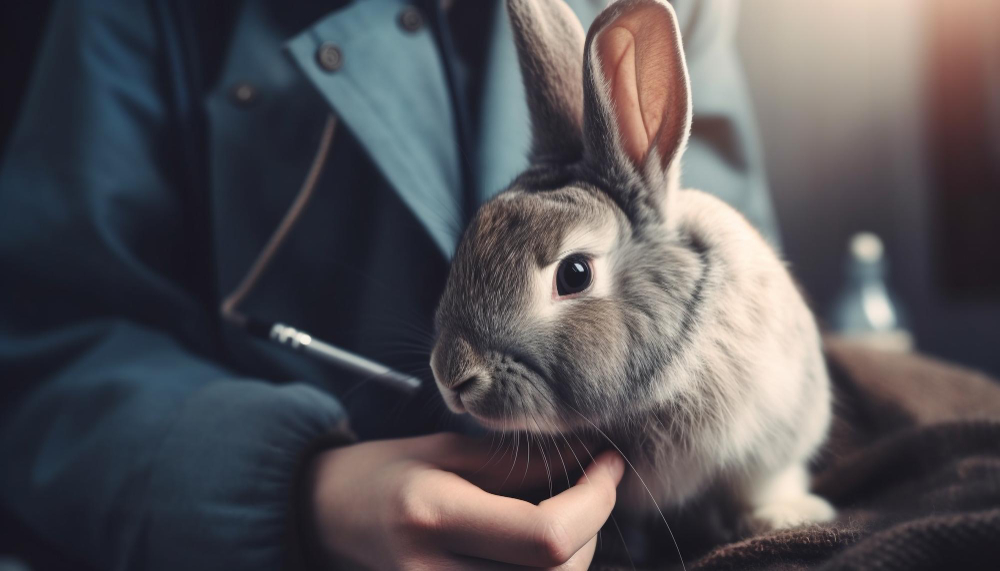
As a rabbit owner, it can be heartbreaking to see your furry friend feeling unwell. Rabbits are delicate creatures, and it is crucial in order to understand the signs and symptoms of infection so you can offer them with the care they need. In this text, i will guide you through the commonplace symptoms of a unwell rabbit, the significance of everyday fitness assessments, how to test your rabbit’s essential symptoms, not unusual illnesses in rabbits, Identify sick rabbit, pointers for retaining your rabbit wholesome, preventive measures for rabbit fitness, whilst to are trying to find veterinary assist, and the position of food regimen in rabbit health. By using the conclusion of this article, you may be geared up with the understanding to make certain your bunny’s well-being.
Discover common signs of a sick rabbit and learn
Rabbits are masters at hiding their pain and discomfort, which makes it crucial for you to be observant and attentive to any changes in their behavior or appearance. Here are some common signs that may Identify sick rabbit:
- Loss of appetite: A healthy rabbit will have a voracious appetite, so a sudden lack of interest in food is a red flag.
- Lethargy: If your bunny is unusually quiet, unresponsive, or spends most of their time huddled in a corner, it may be a sign of illness.
- Changes in feces: Keep an eye on your rabbit’s droppings. Loose, watery, or unusually small droppings can indicate digestive problems.
- Abnormal breathing: Labored breathing, wheezing, or sneezing may be signs of respiratory issues.
- Unkempt appearance: Rabbits are meticulous groomers, so if your bunny’s fur appears unkempt or they stop grooming themselves, it could be a sign of illness.
- Weight loss: If you notice your rabbit losing weight despite maintaining a normal diet, it’s important to investigate further.
- Eye or nasal discharge: Discharge from the eyes or nose can indicate an infection or other health issue.
- Behavioral changes: Any sudden changes in behavior, such as aggression, excessive scratching, or circling, should be taken seriously.
The Importance of Regular Health Checks for Rabbits
Just like any other pet, rabbits require regular health checks to ensure their well-being. Normal checkups permits you to capture any capacity health troubles early on, that could substantially enhance the possibilities of a success treatment. A rabbit-savvy veterinarian will conduct an intensive exam of your bunny, checking their enamel, ears, eyes, and overall body situation. They may also recommend additional tests, such as blood work, fecal analysis, or x-rays, to get a better understanding of your rabbit’s health.
During these check-ups, your veterinarian can also provide guidance on proper diet, exercise, and preventive care measures tailored to your rabbit’s individual needs. Remember, preventative medicine is always better than reactive medicine, so don’t skip those regular health checks.
How to Check if You Identify Sick Rabbit
While regular health checks with a veterinarian are essential, it’s also important for you to be able to monitor your rabbit’s vital signs at home. Here’s how you can do it:
- Temperature: A rabbit’s normal body temperature ranges from 101.3°F to 103.1°F (38.5°C to 39.5°C). To measure your rabbit’s temperature, you’ll need a rectal thermometer designed for small animals. Apply a small amount of lubricant to the tip, gently lift your rabbit’s tail, and insert the thermometer about an inch into the rectum. Hold it in place for about a minute, then remove and read the temperature.
- Heart rate: Place your hand on your rabbit’s chest, just behind their front legs, and feel for their heartbeat. A healthy rabbit’s heart rate typically ranges from 130 to 325 beats per minute (bpm). You can count the beats for 15 seconds and multiply by four to get the heart rate per minute.
- Respiratory rate: Watch your rabbit’s chest rise and fall to count their breaths per minute. A normal respiratory rate for a rabbit is between 30 and 60 breaths per minute.
By regularly monitoring these essential symptoms, you could keep track of your rabbit’s overall health and quickly discover any abnormalities that may require veterinary attention.
Common Illnesses in Rabbits
Rabbits are prone to various illnesses, some of which can be life-threatening if left untreated. Here are some common health issues that rabbits may face:
- Gastrointestinal Stasis: Also known as “GI stasis,” this is a condition where the rabbit’s digestive system slows down or stops completely. It can be caused by improper diet, stress, or dental problems.
- Dental Disease: Rabbits have constantly growing teeth, and if they don’t wear down properly, it can lead to dental disease. Signs include drooling, weight loss, and a reduced appetite.
- Pasteurellosis: Pasteurella bacteria can cause respiratory and ear infections in rabbits. Symptoms include sneezing, nasal discharge, and head tilt.
- Urinary Tract Infections: UTIs are common in rabbits, especially in females. Signs include frequent urination, blood in the urine, and difficulty urinating.
- Parasites: External parasites like fleas, ticks, and mites can cause discomfort and skin issues in rabbits. Internal parasites, such as worms, can also affect their health.
It’s important to familiarize yourself with these common illnesses so you can take prompt action if you notice any symptoms in your rabbit. Early intervention is key to successful treatment and recovery.
What to Do if You Identify Sick Rabbit
If you suspect that your rabbit is unwell, it’s crucial to act quickly. Here are some steps you can take to ensure your rabbit’s well-being:
- Isolate your rabbit: If you have multiple rabbits, separate the sick rabbit from the others to prevent the potential spread of illness.
- Monitor their behavior: Keep a close eye on your rabbit’s eating, drinking, and elimination habits. Note any changes or abnormalities.
- Maintain their comfort: Ensure that your rabbit has a clean and comfortable living environment. Provide fresh water, hay, and a quiet place to rest.
- Contact your veterinarian: Reach out to a rabbit-savvy veterinarian for advice. They may recommend bringing your rabbit in for an examination or provide guidance on home care measures.
Don’t forget, it’s continually better to be secure than sorry when it comes to your rabbit’s health. Trust your instincts, and if some thing feels off, don’t hesitate to are searching for expert assist.
Tips for Keeping Your Rabbit Healthy
Prevention is key when it comes to keeping your rabbit healthy and happy. Here are some tips to help you maintain your bunny’s well-being:
- Proper diet: A balanced diet is essential for your rabbit’s health. Provide unlimited fresh hay, a variety of leafy greens, and a measured amount of quality pellets. Avoid sugary treats and foods that can cause digestive issues.
- Exercise: Regular exercise is crucial for your rabbit’s physical and mental well-being. Provide them with a safe and spacious environment to hop, jump, and explore.
- Socialization: Rabbits are social animals and thrive on companionship. Consider getting your rabbit a buddy to keep them company, as long as they are properly bonded.
- Grooming: Regular grooming sessions help keep your rabbit’s fur clean and prevent hairballs. Brush them gently to remove loose fur and check for any signs of skin issues or parasites.
- Safe environment: Create a rabbit-proof space by removing any hazards such as toxic plants, electrical cords, and small objects that your rabbit could swallow.
- Stress reduction: Rabbits are sensitive creatures. Minimize stress by providing a calm and quiet environment, avoiding sudden loud noises or frequent changes in their Surroundings.Via following these recommendations, you can create a nurturing surroundings that promote your rabbit’s fitness and happiness.
Preventive Measures for Rabbit Health
Prevention is always better than cure, and the same holds true for rabbit health. Here are some preventive measures you can take to keep your bunny in the best possible condition:
- Regular veterinary check-ups: Schedule regular check-ups with a rabbit-savvy veterinarian to catch any potential health issues early on.
- Vaccinations: Consult with your veterinarian about the need for vaccinations, such as those against rabbit hemorrhagic disease (RHD) or myxomatosis, which are prevalent in some areas.
- Parasite prevention: Protect your rabbit from external parasites like fleas and ticks by using appropriate preventative treatments. Regularly check for signs of internal parasites as well and administer deworming medication as recommended by your veterinarian.
- Clean environment: Keep your rabbit’s living area clean and sanitary to prevent the build-up of harmful bacteria or parasites. Regularly clean litter boxes, bedding, and toys.
- Proper handling: Handle your rabbit gently and with care to avoid unnecessary stress or injury. Support their hindquarters when lifting them to prevent spinal injuries.
Through implementing those preventive measures to your rabbit’s care habitual, you can minimize the chance of infection and make certain a long and healthful life to your furry friend.
The Role of Diet in Rabbit Health
A proper diet is the foundation of good health for your rabbit. Here are some key considerations when it comes to feeding your furry friend:
- Hay: Provide unlimited access to fresh hay, such as timothy or orchard grass. Hay is essential for maintaining healthy digestion, wearing down their teeth, and preventing obesity.
- Leafy greens: Offer a variety of leafy greens daily, such as kale, romaine lettuce, and cilantro. Introduce new greens gradually to avoid digestive upset.
- Pellets: Choose high-quality pellets specifically formulated for rabbits. Feed them in limited quantities to prevent overeating and obesity. Avoid those with added sugars or artificial colors.
- Treats: Limit sugary treats and fruits, as they can cause digestive issues and weight gain. Instead, offer small amounts of safe treats like fresh herbs or vegetables.
- Fresh water: Ensure your rabbit always has access to clean, fresh water. Use a heavy ceramic water bowl or a sipper bottle that attaches securely to their enclosure.
Remember to introduce any dietary changes gradually to prevent digestive upsets. Consult with a rabbit-savvy veterinarian or an experienced rabbit rescue for specific dietary recommendations based on your rabbit’s age, breed, and health condition.
Conclusion
Rabbits make brilliant partners, however they require unique care and attention to keep their fitness. Through familiarizing your self with the not unusual Identify sick rabbit, undertaking ordinary health exams, and presenting a proper eating regimen and surroundings, you could make certain your bunny’s properly-being. Do not forget, in relation to your rabbit’s fitness, early detection and intervention are essential. If you Identify sick rabbit, do not hesitate to seek veterinary assist. With your love and care, your bunny can enjoy a long, happy, and healthy life by your side.
CTA: If you suspect your rabbit is sick, don’t delay seeking veterinary help. Your veterinarian is the best person to diagnose and treat any health issues your rabbit may have. Bear in mind, early intervention can make all the distinction to your bunny’s properly-being.
Follow us on: Facebook, Twitter, Pinterest, Instagram