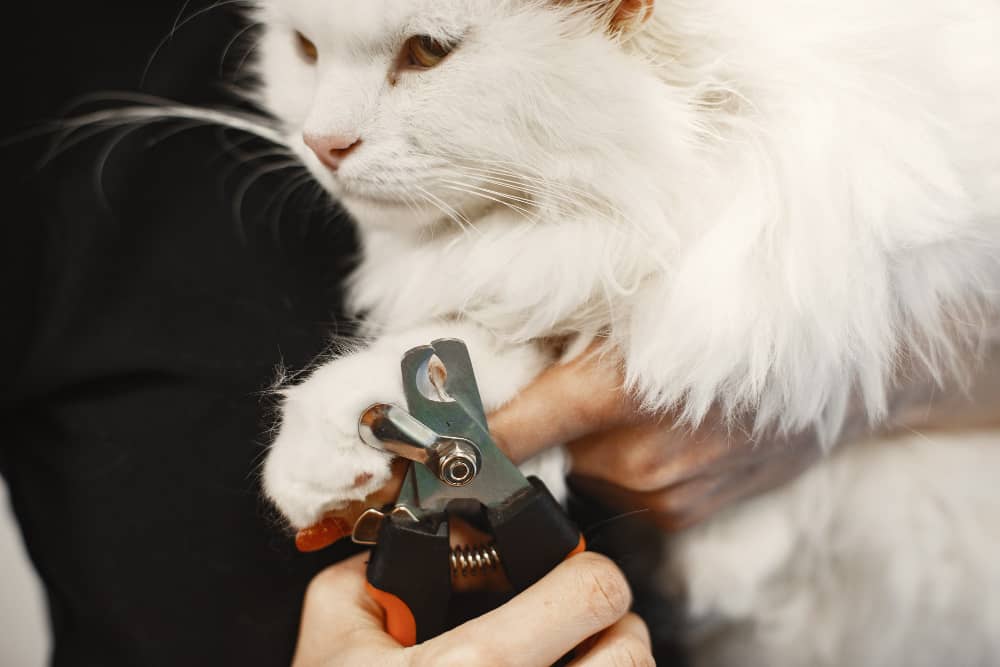
A cat’s claws are more than just their tools for everyday activities such as climbing, scratching, and maintaining balance; they are integral to their overall wellbeing and mobility. Understanding the structure of a cat’s nail, including the translucent portion and the sensitive area known as the ‘quick’, is crucial for any pet owner considering a cat pedicure, a process designed to keep these vital tools sharp and healthy while protecting household items from damage. This pet grooming task, when done correctly, balances the needs for pet care with the preservation of your cat’s natural behaviors and comforts.
Embarking on the journey of giving your cat pedicure at home or seeking professional help can seem daunting. However, with the right guidance, this aspect of pet care can become a stress-free routine that benefits both you and your feline friend. This article aims to navigate the specifics of cat pedicure, shedding light on their importance, the vet-approved benefits of regular nail trimming, and how to perform them safely. By addressing common concerns regarding stress and safety, and exploring alternatives to traditional pedicures, pet owners can ensure their cats remain agile, healthy, and happy.
Understanding Cat Claws and Their Growth
Cats possess a unique feature in the animal kingdom with their retractable claws, designed to stay sharp for climbing, hunting, and self-defense. Unlike human nails, cat claws are essential tools that serve multiple purposes, including:
- Catching and Holding Prey: Cats use their sharp claws to catch and hold onto their prey, an instinctive behavior even in domestic cats.
- Tearing Meat: Their claws are used to tear meat from bones, showcasing their carnivorous nature.
- Defense: In times of danger or conflict, cats extend their claws to defend themselves against predators or threats.
- Climbing: Cats are excellent climbers, and their claws are crucial for gripping onto surfaces, allowing them to ascend with agility.
Cat claws are composed of layers, continuously growing and shedding the outermost layer to reveal a sharper one beneath. This natural process ensures their claws remain sharp and ready for use. However, this growth can pose challenges, especially for indoor cats, where their claws can become too long, leading to potential harm to themselves, their owners, or household items. Regular maintenance, such as pedicures, becomes essential to prevent overgrown claws from causing pain or getting caught in fabrics.
Understanding the structure and growth of cat claws is vital for pet owners. Each claw has a triangular base and a curved tip, growing continuously throughout a cat’s life. Cats typically have five clawed digits on their front paws and four on their rear paws. When they need to use their claws, they contract a tendon to extend them out and down, a mechanism that supports their versatile movements. Regular trimming, recommended every 4-6 weeks for indoor cats, helps manage the length and sharpness of their claws, preventing discomfort and damage.
The Basics of a Cat Pedicure
To begin a cat pedicure, it’s essential to familiarize your cat with the nail trimming process. Start by:
- Acclimating Your Cat to Paw Handling: Regularly handle your cat’s paws to get them accustomed to the sensation, making the actual trimming process less stressful for both you and your cat.
- Introducing the Clippers: Show the nail trimmer to your cat, allowing them to sniff and explore the tool. This step helps in reducing fear or anxiety associated with the clippers.
Trimming Technique:
- Positioning: Have your cat comfortably sit on your lap, gently press their footpad to extend a claw, and isolate the nail to cut. Use a towel to wrap the cat if necessary, and consider having a helper to gently restrain the cat.
- Cutting: Use sharp, well-made cat nail scissors or specialized clippers. Trim the nails, avoiding the quick, which is the darker section inside the claw where nerves and blood vessels are located. Make small cuts gradually to avoid cutting too closely to the quick.
Post-Trimming Care:
- Rewards and Praise: After each nail or session, reward your cat with treats, cuddles, or playtime. This positive reinforcement creates a pleasant association with nail trimming, encouraging cooperation in future sessions.
- Regular Maintenance: Check and trim your cat’s nails every 1.5 to 2 weeks to maintain optimal claw health. This regular routine helps prevent the nails from becoming overgrown and causing discomfort or damage.
Vet-Approved Benefits of Cat Pedicure
- Health and Mobility: Regular nail trims are essential for maintaining the health and mobility of cats, particularly for senior and less active felines, including those suffering from arthritis. Overgrown nails can cause discomfort and mobility issues, making routine trims crucial for their wellbeing.
- Preventing Injuries: By keeping the nails at an appropriate length, the risk of snags and injuries is significantly reduced. This is especially important for older cats who may not be as agile as they once were. Regular trims help prevent painful accidents and ensure your cat remains comfortable and injury-free.
- Humane Care: Regular nail trimming is a humane alternative to declawing, a procedure discouraged by the American Veterinary Medical Association due to its invasive and painful nature. Trimming helps prevent damage to furniture without resorting to such drastic measures.
- Indoor Cat Consideration: For cats that live indoors and have limited opportunities to naturally wear down their nails, regular trimming is beneficial. It prevents the nails from becoming overgrown, which can lead to discomfort and issues with mobility.
- Furniture and Safety: In addition to protecting your cat, regular nail trims also protect your home. They prevent damage to furniture and personal injury, ensuring a harmonious living environment for both pet and owner.
- Trimming Frequency: The frequency of nail trims should be tailored to the cat’s lifestyle. Indoor cats may require trims every couple of weeks, while outdoor cats might need them less often. Kittens, with their rapid growth, may need weekly trims. Regular maintenance, ideally once or twice a month, is key to preventing overgrown nails and ensuring your cat’s paws remain healthy.
How to Safely Give Your Cat Pedicure at Home
To ensure a stress-free and safe pedicure for your cat at home, consider the following steps and tips:
- Preparation:
- Acclimate Your Cat: Begin by getting your cat used to having its paws handled. Start this practice early, ideally when they are a kitten, to make them more accepting of the process.
- Create a Calm Environment: Choose a quiet time when your cat is relaxed. For some cats, this might be after a meal or when they are sleepy. A calm atmosphere helps reduce stress for both you and your cat.
- Choosing the Right Tools:
- Nail Clippers: Use pet-specific nail clippers. Guillotine-type clippers are recommended for cutting off the excess part of the claw that does not contain blood vessels.
- Nail Covers: For cats that scratch furniture or people, consider using rubbery nail covers like Soft Paws. These can be safely glued over the cat’s claws and should be monitored and replaced every 4-6 weeks.
- Trimming Technique:
- Secure Holding: Wrap your cat in a blanket or towel if they resist handling. Mimicking how a mother cat carries her kitten by gently holding its nape can also provide security during trimming.
- Trimming: Identify the transition point on the nail from narrow to wide to avoid the quick. Make a clean cut with the nail trimmers close to the nail, trimming only a small portion to prevent cutting into the quick.
- Post-Trimming Care: Always reward your cat with treats or affection after trimming to create a positive association with the experience.
Remember, patience and gradual acclimatization to the process are key to a successful cat pedicure at home. If your cat shows significant resistance or anxiety, consulting with a veterinarian for further advice may be beneficial.
Addressing Common Concerns: Stress and Safety
Addressing the concerns of stress and safety during a cat pedicure is paramount for both the pet and the owner. Here are practical strategies and considerations:
- Mitigating Stress:
- Understanding that cats may find the pedicure process stressful due to the handling of their sensitive paws is the first step in creating a more positive experience.
- To reduce the likelihood of stress, gradually acclimatize your cat to paw handling and the presence of nail clippers outside of trimming sessions.
- If resistance is met, halting the trimming process and consulting a veterinarian for advice can prevent stress escalation.
- Safety Precautions:
- Utilize protective measures such as double-sided tape or aluminum foil on furniture to deter unwanted scratching, thus reducing the need for frequent pedicures.
- In cases where grooming becomes a challenge, seeking the assistance of a professional groomer experienced with cats can ensure safety and efficiency.
- For cats adverse to paw touching or swaddling, professional nail trimming by a vet or groomer may be the most stress-free solution.
These steps can help create a safer, less stressful environment for administering cat pedicures, enhancing the overall well-being of your feline friend.
Alternatives to Traditional Pedicures
Exploring alternatives to traditional pedicures can offer a humane and effective way to manage your cat’s claw care without resorting to declawing, a procedure that can lead to pain, confusion, and behavioral issues. Here are some vet-approved strategies:
- Scratching Posts and Materials:
- Invest in scratching posts with various materials such as carpet, corrugated cardboard, wood, or rope to cater to your cat’s preferences. Include both vertical and horizontal surfaces to mimic natural scratching environments.
- Provide additional items like kitty condos to further encourage natural scratching behavior, allowing cats to file their nails naturally.
- Behavioral Training and Pheromones:
- Use positive reinforcement by rewarding your cat with treats or affection when they use their scratching post. This method reinforces good behavior and discourages unwanted scratching.
- Apply synthetic feline pheromones like Feliway and Feliscratch around scratching posts to reduce the drive to mark territory and encourage the use of designated scratching areas.
- Physical Alternatives:
- For cats that excessively scratch furniture or people, consider soft claw covers as a safe and non-invasive option. These rubbery nail caps can be glued over the cat’s claws and should be replaced every 4-6 weeks.
These alternatives emphasize the importance of providing proper outlets for natural cat behaviors while maintaining the safety and well-being of both the cat and the household.
Conclusion
Through this comprehensive guide, we’ve traversed the intricate terrain of cat pedicures, laying bare the importance of understanding your cat’s claws for their overall health and well-being. The step-by-step approach, from acclimatizing your cat to the handling of their paws to mastering the trimming technique, aims to ensure that this grooming task benefits both you and your feline friend. The emphasis on regular maintenance, aligned with the vet-approved benefits, underscores how crucial nail trimming is, particularly for indoor cats, in maintaining their mobility, preventing injuries, and contributing to a harmonious household.
The exploration of alternatives to traditional pedicures, coupled with practical solutions for addressing common concerns related to stress and safety during the process, presents a holistic view of cat claw care. These strategies not only reinforce the significance of providing proper outlets for natural behaviors but also highlight the humane and effective ways to manage your cat’s claw care. Ultimately, the journey of giving your cat pedicure is about strengthening the bond with your pet while ensuring their paws remain healthy and they continue to thrive in your care.
FAQs
Q: What is the process for trimming a cat’s nails if you’re a novice?
A: To trim a cat’s nails as a beginner, gently press the paw to extend the nail, use specially designed cat nail clippers, and carefully clip the tip of the nail. Be sure to avoid the quick, which contains the nail’s blood vessels and nerves.
Q: How can one identify the quick in a cat’s nails?
A: The quick in a cat’s nails is the pink area that contains nerves and blood vessels. It’s visible when the nail is extended. Be cautious to avoid clipping this sensitive part when trimming your cat’s nails.
Q: What should you do if your cat dislikes having its nails trimmed?
A: If your cat is resistant to nail trimming, you may need to acclimate it gradually to the process. Use positive reinforcement, such as treats and gentle handling, to create a more agreeable experience for your pet.
Q: At what angle should a cat’s nails be clipped?
A: When clipping a cat’s nails, it’s important to use the correct angle to avoid injury. The clippers should be positioned to cut the nail from top to bottom, not side to side, at a slight angle, following the natural curve of the nail.
Follow us on: Facebook, Twitter, Pinterest, Instagram