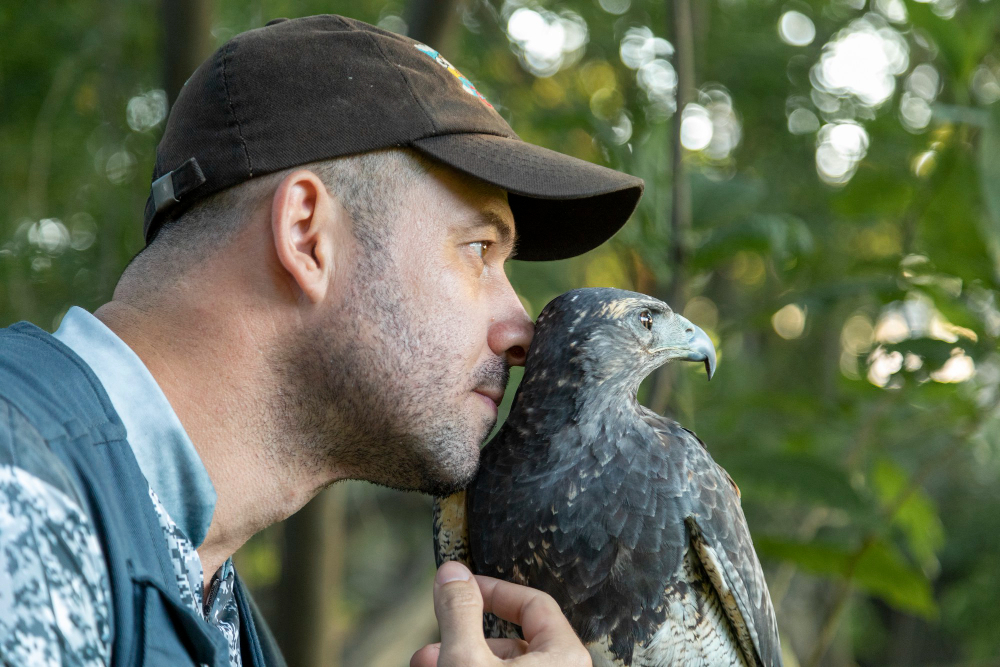
Introduction to bird body language
Birds are fascinating creatures with their colorful feathers and melodic songs. However, did you already know that, additionally, they talk via body language? Expertise in your feathered buddy’s body language permits you to build a more potent bond and make certain of their well-being. In this text, we will discover the various cues and signals that birds use to explicit themselves and how you may interpret bird body language.
Why understanding bird body language is important
Similar to people, birds have their very own unique approaches of communicating. By means of know-how their body language, you can decipher their wishes, feelings, and even their fitness. This understanding can help you provide a better environment to your bird and address any problems they’ll be going through. Additionally, being able to interpret your bird’s body language will let you build a deeper connection with them, main to a happier and greater pleasant companionship.
Common cues in bird body language
A variety of bird body language cues to communicate their feelings and intentions. One common cue is fluffing up their feathers. When a bird fluffs up, it is often a sign of contentment and relaxation. On the other hand, if your bird’s feathers are flattened against their body, it may indicate fear or aggression. Being attentive to the location and movement of your bird can come up with treasured insights into their emotional state.
Another important Bird body language cue is the position of their wings. When a bird’s wings are held close to their body, it generally means they are calm and at ease. However, if the wings are held slightly away from the body or drooping, it may indicate illness or discomfort. Similarly, rapid wing flapping can be a sign of excitement or distress, depending on the context. Observing your bird’s wing positions can help you gauge their overall well-being.
Interpreting bird vocalizations
Birds are known for their beautiful songs and calls, but vocalizations go beyond just pleasant melodies. Different sounds can convey various messages, such as warning others of danger, expressing happiness, or seeking attention. For example, if your bird is chirping loudly and continuously, it might be a sign that they are bored or seeking interaction. On the other hand, if your bird suddenly becomes quiet or starts making repetitive sounds, it could be an indication of stress or discomfort. Paying near attention to the tone, pitch, and frequency of your bird’s vocalizations can provide you with precious insights into their emotional kingdom.
Understanding bird gestures and movements
In addition to vocalizations, birds communicate through their gestures and movements. One common gesture is head bobbing, which is often a sign of curiosity or excitement. If your bird is repeatedly bobbing their head, they may be trying to get a better look at something that has caught their attention. Another common movement is wing stretching, where birds extend their wings fully. This behavior is usually a sign of relaxation and well-being. However, if your bird is constantly pacing or rocking back and forth, it could indicate stress or anxiety. Understanding these gestures and movements can help you gauge your bird’s level of comfort and happiness.
Decoding bird facial expressions
Birds may not have facial muscles like humans, but they can still convey emotions through their eyes and beak. For example, if your bird’s eyes are wide open and alert, it often means they are interested or curious about something. Conversely, if their eyes are half-closed or squinting, it may indicate relaxation or sleepiness. The position of their beak is another important indicator. When a bird’s beak is closed and relaxed, it suggests they are calm and content. However, if their beak is open wide or they are grinding their beak, it could be a sign of discomfort or aggression. By observing your bird’s facial expressions, you can gain insights into their emotional state and respond accordingly.
Signs of stress or discomfort in birds
As a responsible bird owner, it is crucial to be able to recognize signs of stress or discomfort in your feathered friend. Some common bird body language includes excessive preening, feather plucking, or loss of appetite. If your bird is constantly pacing, agitated, or displaying aggressive behavior, it may be a sign of stress or illness. Changes in their droppings, such as a change in color or consistency, can also be a cause for concern. It’s far critical to discuss with a veterinarian in case you be aware any of these signs and symptoms, as they could imply underlying fitness issues. By means of being vigilant and responsive on your bird’s wishes, you may make certain their well-being and happiness.
Building a bond with your bird through body language
Understanding your bird body language isn’t always handiest approximately decoding their wishes and feelings; it’s also a manner to strengthen the bond among you and your feathered pal. By way of observing and responding to their cues, you show them that you are attentive and care about their well-being. Spend a pleasant time with your hen, have interaction in interactive play, and provide them with stimulating surroundings to form a fine bond. Take into account, building consider takes time and patience, however the rewards are immeasurable.
Tips for communicating effectively with your bird
To talk efficiently with your hen, it is crucial to set up a recurring and set clear barriers. Birds thrive on consistency, so attempt to establish normal feeding, playtime, and sleep schedules. Use fantastic reinforcement strategies, inclusive of rewards and treats, to inspire favored conduct. Be aware of your body language as well, as birds are especially perceptive to human gestures and expressions. Finally, be affected person and know-how. Much like humans, birds have particular personalities and may require unique approaches to conversation. By using being affected person and adapting to their desires, you can build a robust and lasting courting together with your feathered friend.
Conclusion: Strengthening the bond with your feathered friend
Know-how your feathered friend’s frame language is the important thing to constructing a sturdy and satisfying dating. Through being attentive to their cues, vocalizations, gestures, and facial expressions, you can decipher their wishes, emotions, and standard well-being. Recollect to be patient, observant, and responsive for your chook’s verbal exchange alerts. By means of doing so, you will not handiest create a happier and more healthy surroundings to your puppy hen but additionally support the bond between you and your feathered friend. So, make the effort to decode fowl speak and embark on a adventure of knowledge with your avian companion.
Follow us on: Facebook, Twitter, Pinterest, Instagram