Introduction to Frogs and Toads
Amphibians are fascinating creatures that have captivated human beings for hundreds of years. A number of the maximum interesting amphibians are frogs and toads. While they will seem comparable at first glance, there are wonderful differences between the two. in this manual, we will explore differentiating between frogs and toads, the physical characteristics, habitat, behavior, vocalizations, life cycle, and duplicates of frogs and toads. Through the give up, you’ll be able to hopefully tell the distinction among a frog and a toad.
Physical Characteristics of Frogs
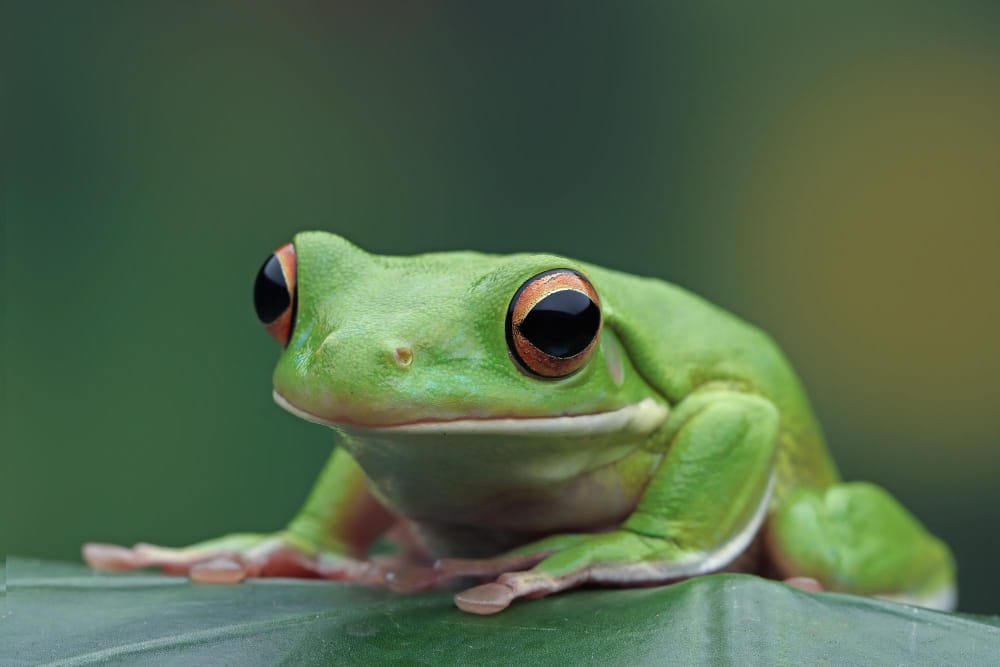
Frogs are regarded for his or her smooth, moist pores and skin that give them a sleek look. They’ve got long hind legs, which permit them to leap amazing distances. Frogs additionally have webbed feet, which assist them swim efficaciously thru water. Another different characteristic of frogs is their bulging eyes, located on the edges in their head. This permits them to have a extensive area of imaginative and prescient and see predators without difficulty. In terms of length, frogs can vary greatly, ranging from tiny species measuring much less than an inch to the most important frog, the Goliath frog, that can grow as much as a foot lengthy.
Frogs are available a big selection of colours and styles, frequently blending in with their surroundings. This camouflage helps them avoid being detected by means of predators. A few frogs actually have the capability to trade their skin coloration to healthy their surroundings. Moreover, frogs have a completely unique respiratory device that lets in them to breathe through their skin. This adaptation enables them to spend prolonged periods of time in water and on land.
Physical Characteristics of Toads

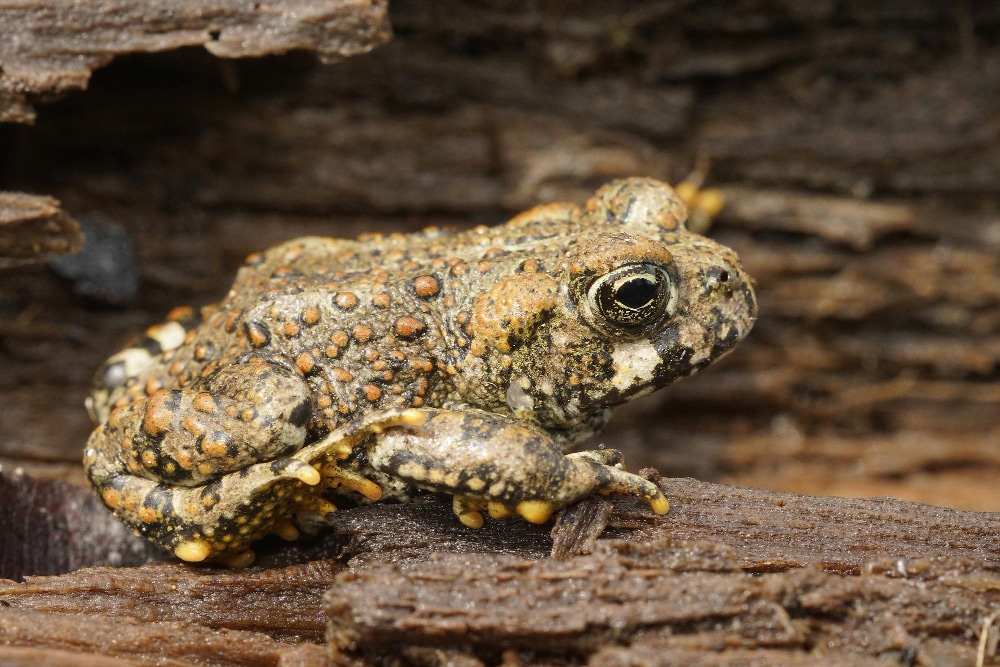
Toads, on the other hand, have a distinct appearance that sets them apart from frogs. They have dry, warty skin, giving them a rough texture. Unlike frogs, toads have relatively short hind legs, which limits their jumping ability. Their feet are not webbed, as they are primarily terrestrial creatures. Toads also have prominent parotid glands behind their eyes. These glands secrete toxins, which act as a defense mechanism against predators. When threatened, a toad may puff itself up and arch its back to appear larger and more intimidating.
In terms of shade, toads generally tend to have earthy tones which include brown, gray, or inexperienced, which assist them mixture into their surroundings. Their skin patterns are frequently much less vibrant as compared to frogs. Toads have a unique edition called “head-bobbing,” where they unexpectedly pass their head up and down. This behavior is believed to be a shape of communication, in particular in the course of mating season.
Differences in Habitat and Behavior
Differentiating between frogs and toads have distinct options with regards to their habitat and conduct. Frogs are typically found near bodies of water which include ponds, lakes, or streams. They require a wet surroundings to thrive and reproduce. Frogs are tremendous swimmers and experience spending their time in or near water. They’ve a various food plan, feeding on bugs, small invertebrates, and even smaller frogs.
Toads, however, are extra adaptable to specific habitats. Even as they decide on wet environments, they can also be located in drier areas including gardens, forests, or grasslands. Not like frogs, toads aren’t as talented swimmers. They favor to hop or stroll in preference to swim. Toads have a more specialized food regimen, in particular which includes insects. They’re recognised to consume big quantities of pests, making them useful for gardeners.
Vocalizations of Frogs and Toads
One of the most distinct functions of frogs and toads is their potential to supply particular vocalizations. Those sounds play a vital position of their communication and reproduction. Frogs produce a spread of calls, starting from melodic trills to excessive-pitched chirps. Every species has its very own awesome call, letting them become aware of and attract associates. A few frog calls can be heard from miles away, particularly at some stage in breeding season when adult males compete for females.
Toads, on the other hand, have a different vocalization style. They produce a low-pitched, musical trill that is often described as a “croaking” sound. This call is used to attract females during mating season. Unlike frogs, toads do not have a wide range of vocalizations. However, their calls can still be quite loud and carry over long distances.
Life Cycle and Reproduction
The life cycle and reproduction of frogs and toads are fascinating processes. Both species undergo a metamorphosis from egg to tadpole to adult. Frogs typically lay their eggs in water, which hatch into tadpoles. Tadpoles have gills and live exclusively in water, feeding on algae and other small organisms. As they grow, they develop lungs and legs, eventually transforming into adult frogs.
Toads follow a comparable life cycle but with some variations. They lay their eggs in long strands rather than clusters, often attaching them to plants in water. Toad tadpoles have a stockier appearance as compared to frog tadpoles. They have got a extra muscular build and are higher tailored to withstand flowing water. Toad tadpoles additionally increase lungs and legs, finally transforming into terrestrial toads.
Differentiating Between Frogs and Toads: How to Identify a Frog
Identifying a frog requires careful observation of its physical characteristics, habitat, and behavior. First, examine the skin texture. Frogs have smooth, moist skin, while toads have rough, warty skin. Next, look at the hind legs. Frogs have long hind legs for leaping, while toads have shorter hind legs for hopping or walking. Take note of the feet as well. Frogs have webbed feet for swimming, whereas toads have unwebbed feet for land movement.
Differentiating between frogs and toads. Frogs are commonly found near bodies of water, while toads are more adaptable and can be found in various habitats. Pay attention to the vocalizations as well. Frogs produce a wider range of calls, whereas toads have a distinctive “croaking” sound. Lastly, consider the overall appearance. Frogs tend to have vibrant colors and patterns, while toads have more subdued colors and patterns.
Differentiating Between Frogs and Toads: How to Identify a Toad
Differentiating a toad from a frog also requires careful observation. Start by examining the skin texture. Toads have dry, warty skin, while frogs have smooth, moist skin. Observe the hind legs. Toads have shorter hind legs, limiting their jumping ability, while frogs have long hind legs for leaping. Look at the feet as well. Toads have unwebbed feet for land movement, while frogs have webbed feet for swimming.
Consider the location of the amphibian. Toads are more adaptable and can be found in various habitats, while frogs are commonly found near bodies of water. Listen for the vocalizations. Toads produce a distinct “croaking” sound, whereas frogs have a wider range of calls. Lastly, pay attention to the overall appearance. Toads have earthy tones and less vibrant patterns compared to frogs.
Common Misconceptions and Myths About Frogs and Toads
Frogs and toads have been the subject of various myths and misconceptions throughout history. One common misconception is that frogs and toads are slimy. While their skin may feel moist, it is not slimy to the touch. Another myth is that all frogs are poisonous. While some frog species do possess toxins, the majority are harmless to humans. Toads, on the other hand, are known to have toxins in their skin as a defense mechanism.
Another prevalent myth is that touching a toad will give you warts. Warts are caused by a virus and cannot be transmitted from amphibians to humans. Toads’ rough skin might give the impression of warts, but they are completely harmless. Additionally, it is often believed that frogs and toads can give you warts by urinating on you. This is purely a myth and has no scientific basis.
Conclusion
Deciphering the differences between frogs and toads can be a charming journey into the sector of amphibians. By way of expertise their physical characteristics, habitat, behavior, vocalizations, lifestyles cycle, and duplicate, you could hopefully discover whether you are encountering a frog or a toad. Bear in mind to have a look at their pores and skin texture, hind legs, feet, place, vocalizations, and ordinary appearance. Through unraveling nature’s amphibious puzzle, you could increase a deeper appreciation for those unique and charming creatures. So subsequent time you stumble upon a hopping amphibian, you may know whether or not it’s a frog or a toad.
Follow us on: Facebook, Twitter, Pinterest, Instagram