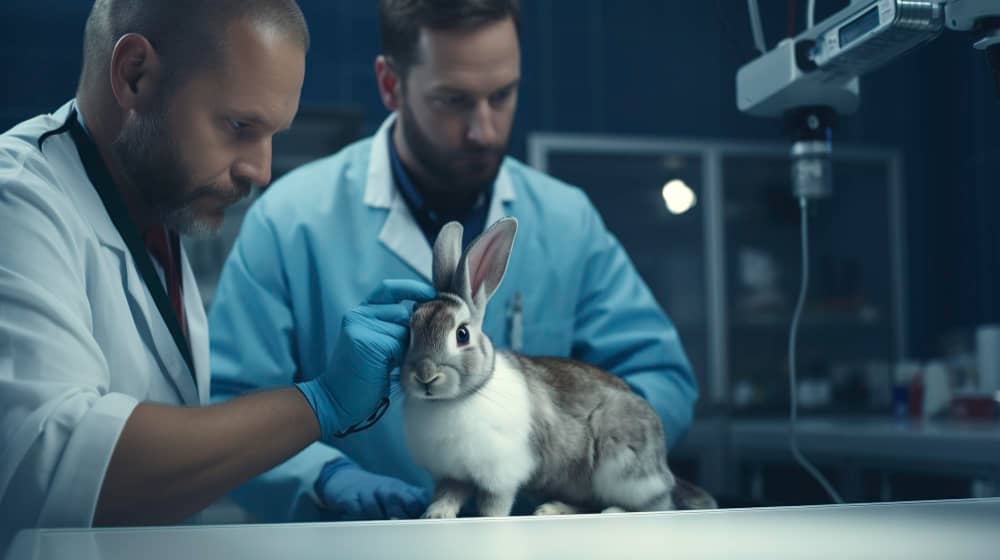
Rabbits are known for their gentle and docile nature, but they are not immune to experiencing pain and discomfort. As a responsible rabbit owner, it is crucial to be able to recognize the language of rabbit pain of your furry companion. Regrettably, rabbits are masters at hiding their struggling, making it tough to decide while they are in pain. On this comprehensive manual, we can explore the diverse approaches wherein you may become aware of if your rabbit is in ache and what steps you could take to offer them with remedy.
Understanding Rabbit Pain
Before we delve into the signs and symptoms of ache in rabbits, it’s miles vital to recognize how ache can happen in these sensitive creatures. Rabbits have a complex fearful gadget and are touchy to even the slightest discomfort. They will experience ache because of various motives, which include accidents, dental issues, gastrointestinal troubles, or underlying medical situations. It is crucial to remember that rabbits are prey animals, and showing signs of weakness or vulnerability can make them targets in the wild. Therefore, they have evolved to hide their pain, making it challenging for owners to recognize their distress.
Common Signs of Pain in Rabbits
While rabbits may try to conceal their pain, they often exhibit certain behavioral changes that can serve as subtle hints. One of the most common signs of pain is a change in their eating habits. If your rabbit suddenly loses its appetite or starts eating less, it could be an indicator of pain. Additionally, rabbits in pain may become more withdrawn and less sociable. They may also display aggression or unusual behavior, such as excessive chewing or digging. If you observe any of these modifications to your rabbit’s conduct, it’s far important to display them closely for other symptoms of ache.
Behavioral Changes Indicating Pain
When a rabbit is in pain, they may exhibit various behavioral changes that can provide valuable insight into their discomfort. One of the key signs to look out for is a change in their posture. A rabbit in pain may adopt a hunched or crouched position, with their ears held back. They may also become more restless or lethargic, refusing to engage in their usual playful activities. Another common behavioral change is reduced grooming. Rabbits are meticulous groomers, and a decrease in grooming habits can indicate pain or discomfort. It is important to pay attention to these subtle shifts in conduct to make sure your rabbit’s nicely-being.
Physical Cues of Pain in Rabbits
In addition to observing behavioral changes, it is crucial to be aware of the physical cues that can indicate pain in rabbits. One of the most apparent signs is a change in their body language. A rabbit in pain may tense their body, with their muscles appearing rigid. They may also exhibit a reduced range of motion and appear reluctant to move or hop. Another physical cue to watch out for is changes in their breathing pattern. Labored or rapid breathing can be a sign of pain or distress. Additionally, rabbits in pain may exhibit sensitivity when touched or become defensive when handled. By closely monitoring these physical cues, you can gain a better understanding of your rabbit’s pain levels.
Monitoring Your Rabbit’s Eating and Drinking Habits
Observe your rabbit’s eating and drinking habits closely to identify any signs of pain. A sudden change in appetite can be a red flag, as rabbits often lose their appetite when they are in pain. Keep an eye out for a decrease in food consumption or a complete loss of interest in their favorite treats. Similarly, changes in water consumption can indicate pain or discomfort. If you notice your rabbit drinking excessively or not drinking at all, it is essential to consult a veterinarian. Regularly monitoring their eating and drinking habits will help you catch any potential issues early on.
Recognizing Signs of Discomfort During Movement
Rabbits are agile creatures known for their graceful hops and jumps. Therefore, any changes in their movement patterns can be indicative of pain or discomfort. Pay close attention to how your rabbit moves and if you notice any hesitancy, reluctance, or lameness, it could be a sign of pain. They may also exhibit a change in their gait, favoring one limb over the other. It is important to create a safe and comfortable environment for your rabbit to move around freely. If you observe any abnormal movements or signs of discomfort during their usual activities, it is advisable to seek veterinary assistance promptly.
Changes in Grooming Habits as an Indicator of Pain
Rabbits are meticulous groomers, spending a significant amount of time ensuring their fur is clean and well-maintained. Therefore, any changes in their grooming habits can be indicative of pain or discomfort. If your rabbit starts neglecting their grooming routine or exhibits a rough and unkempt coat, it may be a sign that they are experiencing pain. They may also exhibit a reduced interest in grooming certain areas of their body. Regularly inspect your rabbit’s fur and skin for any signs of irritation, wounds, or abnormalities. Any changes in their grooming habits should be taken seriously and brought to the attention of a veterinarian.
Veterinary Help for a Rabbit in Pain: Language of Rabbit Pain
If you suspect that your rabbit is in pain, it is crucial to seek veterinary help immediately. Rabbits are sensitive animals, and any delay in addressing their pain can have severe consequences on their health and nicely-being. A veterinarian with experience in rabbit care may be capable of behavior a thorough exam and determine the reason of your rabbit’s pain. They may recommend additional tests or procedures to diagnose the underlying issue accurately. Remember, rabbits are masters at hiding their pain, so it is always better to err on the side of caution and consult a professional.
Providing Pain Relief for Your Rabbit
Once your veterinarian has diagnosed the cause of your rabbit’s pain, they will recommend appropriate pain relief measures. It is important to follow their guidance and administer any prescribed medications as directed. Further to medicine, there are numerous different approaches you could provide remedy in your rabbit. Ensuring a comfortable living environment, with soft bedding and ample space to move around, can help alleviate their pain. You can also provide gentle massages or apply warm compresses to soothe any sore areas. Always consult your veterinarian before attempting any home remedies or alternative therapies to ensure they are safe and effective for your rabbit.
Conclusion: Language of Rabbit Pain
Language of Rabbit Pain: Recognizing pain in rabbits can be challenging, as they are experts at hiding their discomfort. But, by means of carefully staring at their behavior, tracking their physical cues, and maintaining a near eye on their ingesting, consuming, and grooming conduct, you could grow to be adept at figuring out signs and symptoms of ache. Remember to consult a veterinarian at the first sign of distress, as they are best equipped to diagnose and provide appropriate pain relief for your rabbit. By being proactive in recognizing and addressing your rabbit’s pain, you can ensure they lead a healthy and happy life free from unnecessary suffering.
If you suspect that your rabbit is in pain, don’t delay seeking veterinary assistance. Contact your veterinarian immediately to provide the necessary care and relief for your furry friend.
Follow us on: Facebook, Twitter, Pinterest, Instagram