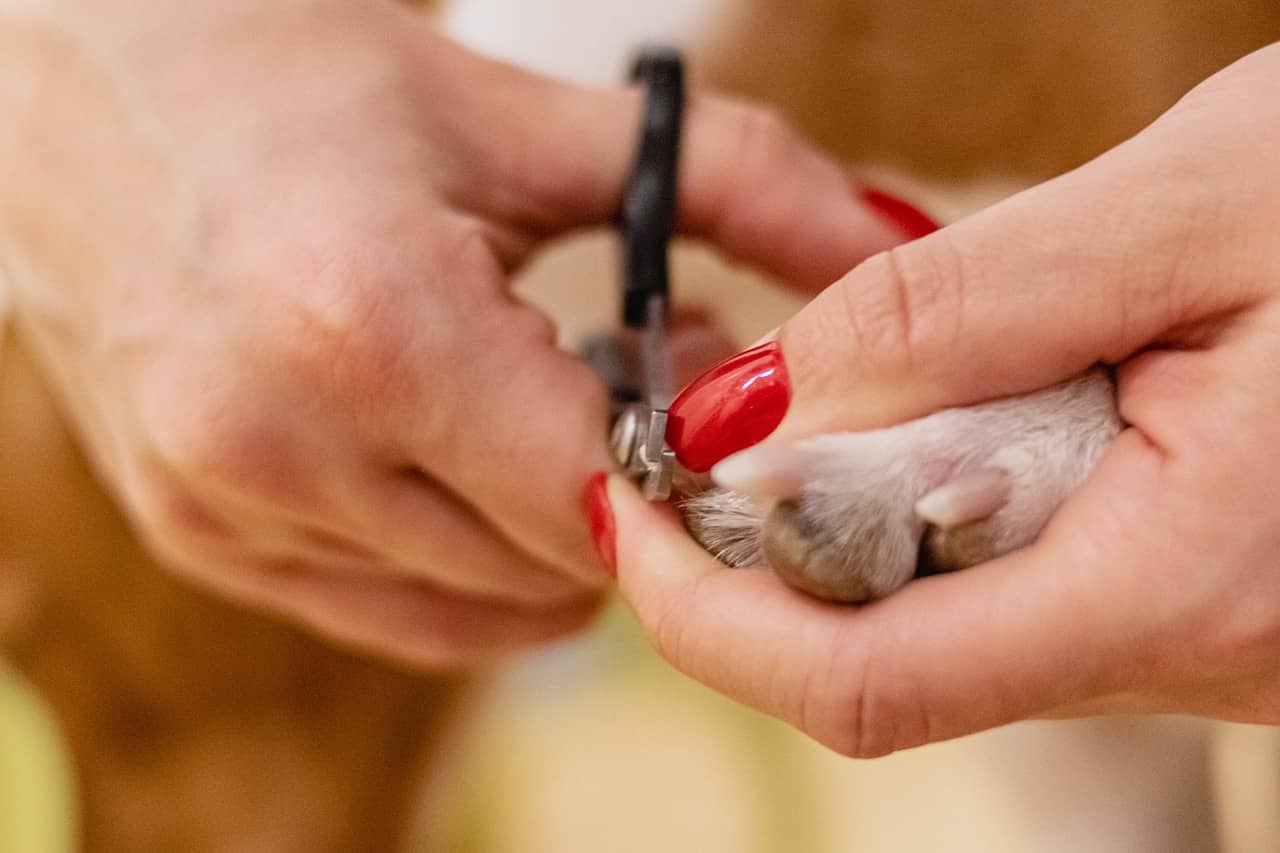
Introduction: The importance of proper nail care for cats
Cats are recognized for his or her sharp claws, which they use for various functions which include climbing, looking, and self-defense. However, those claws can every now and then grow too lengthy and become a nuisance for each the cat and its owner. Proper nail care is important to make certain the cat’s consolation and well-being. Trimming your cat’s nails frequently now not only prevents them from turning into overly sharp but also helps keep away from potential scratching incidents. In this article, we can explore the subject of the use of dog nail clippers on cats and discuss the dangers and concerns involved.
Understanding the differences between dog and cat nail clippers
Earlier than delving into the query of whether you may use dog nail clippers on cats, it is important to understand the differences among those two types of clippers. Canine nail clippers are particularly designed for the thicker and harder nails of dogs. They usually have a larger and broader reducing floor to accommodate the size and energy of a dog’s nails. Then again, cat nail clippers are particularly designed for the smaller and greater sensitive nails of cats. They have got a narrower cutting surface and are typically more particular of their reducing movement. It is essential to select the proper type of nail clippers in your cat to make sure a secure and effective nail clipping experience.
Dog Clippers on Cats: Exploring the risks and considerations
While it may be tempting to use dog nail clippers on your cat, it is not recommended. Cats’ nails are anatomically different from dogs’ nails. Cat nails are retractable, meaning they can be extended or retracted as needed. On the other hand, dog nails are non-retractable and remain exposed at all times. This difference in nail structure requires different trimming techniques and tools. Using dog nail clippers on cats can result in a less precise cut and may lead to injury or discomfort for your feline friend. Additionally, cat nails are more delicate and prone to splitting or splintering if not trimmed properly. It is best to use the appropriate tools designed specifically for cats to ensure a safe and gentle nail trimming experience.
The potential dangers of using dog nail clippers on cats
Using dog nail clippers on cats can pose several risks and potential dangers. Firstly, as mentioned earlier, dog nail clippers are larger and broader in size compared to cat nail clippers. This difference in size can make it challenging to achieve a precise and clean cut on a cat’s smaller and more delicate nails. Improper cutting can cause the nails to splinter or crack, leading to pain and potential infection. Moreover, if the dog nail clippers are not sharp enough, they may crush or squeeze the cat’s nails, causing unnecessary discomfort. It is crucial to prioritize your cat’s safety and well-being by using the appropriate tools for their nail care needs.
Safe alternatives to dog nail clippers for cats
Fortunately, there are safe options to using dog nail clippers on cats. One popular alternative is the use of cat-specific nail clippers, which can be designed to house the particular form and length of cat nails. These clippers regularly have a smaller slicing surface and a extra unique cutting movement, ensuring a easy and correct trim. Any other alternative is using a nail grinder specially designed for cats. Nail grinders lightly file down the nails, step by step shortening them without the chance of cutting an excessive amount of off immediately. This approach is mainly useful for cats who’re extra sensitive or tense approximately having their nails trimmed. By means of exploring these secure alternatives, you may successfully maintain your cat’s nail health with out risking their safety.
How to safely trim your cat’s nails at home
Trimming your cat’s nails at home can be a straightforward and stress-free process if done correctly. Here are some steps to help you safely trim your cat’s nails:
- Choose the right time and place: Find a quiet and calm environment where your cat feels comfortable. Make sure you are both relaxed and unhurried before starting the nail trimming session.
- Get your supplies ready: Gather the necessary tools, such as cat nail clippers or a nail grinder, and have some treats nearby as a reward for your cat’s cooperation.
- Gently handle your cat’s paws: Start by gently touching and massaging your cat’s paws to get them accustomed to the sensation. This will help reduce any anxiety or resistance during the nail trimming process.
- Gradually introduce the clippers or grinder: Let your cat sniff and investigate the nail clippers or grinder before using them. This step helps familiarize your cat with the tools and reduces their apprehension.
- Trim the nails with care: Hold your cat’s paw firmly but gently. Identify the clear part of the nail (the area without blood vessels) and make a quick and clean cut. Avoid cutting too close to the quick, which is the pink area containing blood vessels.
- Reward and praise your cat: After each successful nail trim, reward your cat with a treat and praise them for their cooperation. This positive reinforcement will help make future nail trimming sessions more enjoyable for both of you.
Tips for a successful nail trimming session with your cat.
Trimming your cat’s nails can be a challenging task, but with the right approach, it can become a stress-free routine. Here are some additional tips to ensure a successful nail trimming session with your cat:
- Gradually introduce nail trimming: If your cat is not accustomed to having their nails trimmed, start by touching their paws regularly without attempting to trim the nails. This will help them get used to the sensation and build trust.
- Use positive reinforcement: Reward your cat with treats, praise, and petting during and after each nail trimming session. This positive association will make the experience more enjoyable for your cat.
- Take breaks if needed: If your cat becomes too stressed or agitated during the nail trimming process, take a break and resume at a later time. Forcing the issue can lead to a negative experience for both you and your cat.
- Stay calm and patient: Cats are highly sensitive to their owner’s emotions. Stay calm and patient throughout the nail trimming session to help keep your cat relaxed and cooperative.
- Seek assistance if necessary: If you find it challenging to trim your cat’s nails or if your cat becomes highly agitated or aggressive, seek assistance from a veterinarian or professional groomer. They have the expertise and experience to handle difficult situations safely and effectively.
Seeking professional help: When to visit a veterinarian or groomer
While trimming your cat’s nails at home is generally safe and feasible, there may be instances where seeking professional help is necessary. Here are some situations where it is advisable to visit a veterinarian or groomer:
- Inexperience or lack of confidence: If you are unsure about how to trim your cat’s nails or lack confidence in your abilities, it is best to seek guidance from a professional. They can demonstrate the proper technique and provide you with valuable tips for future nail trimming sessions.
- Aggressive or anxious behavior: If your cat displays aggressive or anxious behavior during nail trimming, it may be safer to let a professional handle the task. They have the expertise to safely restrain and calm cats who are resistant to nail trims.
- Medical conditions or concerns: If your cat has underlying medical conditions, such as bleeding disorders or nail infections, it is best to consult a veterinarian. They can assess your cat’s condition and provide appropriate treatment while addressing the nail trimming needs.
The importance of regular nail trimming for cats’ health and well-being
Normal nail trimming is an critical issue of cat care that ought to no longer be neglected. Overgrown nails can reason soreness and pain on your cat, main to issue in strolling or even joint problems. Moreover, cats with long nails are more likely to inadvertently scratch furnishings, people, or other pets. By using keeping your cat’s nails at the appropriate duration, you promote their ordinary health and prevent capability accidents or injuries. Make nail filing part of your cat’s grooming routine to ensure their nicely-being and the harmony of your household.
Conclusion: Choosing the right tools for your cat’s nail care needs
In conclusion, while it might be tempting to use dog nail clippers on cats, it is not recommended due to the anatomical differences between their nails. Dog nail clippers are designed for thicker and harder nails, making them less suitable for delicate cat nails. To ensure a safe and effective nail trimming experience for your feline companion, it is best to use cat-specific nail clippers or a nail grinder designed for cats. By following proper techniques and providing positive reinforcement, you can successfully trim your cat’s nails at home. However, if you encounter difficulties or have concerns, do not hesitate to seek professional help from a veterinarian or groomer. Remember, ordinary nail filing is crucial for your cat’s health and well-being, so pick out the proper gear and make it part of their habitual care.
CTA:
Retaining your cat’s nail health is essential for his or her universal properly-being. Make sure you have the right tools and know-how to provide safe and effective nail trims at domestic. If you want assistance or have concerns, do not hesitate to seek advice from a veterinarian or expert groomer. Your cat will thanks for the care and interest you supply to their nails.
Follow us on: Facebook, Twitter, Pinterest, Instagram